
Tips for Keeping Your Houseplants Healthy and Thriving
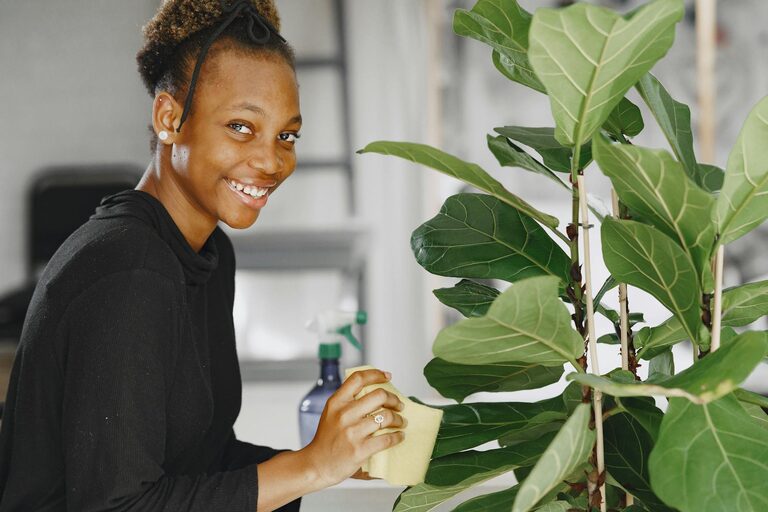
Bringing houseplants into your home is a wonderful way to add beauty, freshen the air, and create a calming environment. However, keeping these green companions healthy requires some care and attention. Whether you are a seasoned plant enthusiast or a beginner, understanding the basic needs of your plants will help them thrive. In this post, we’ll explore practical tips for maintaining the health of your houseplants.
Understanding Your Houseplant’s Needs
Every plant species has its own preferences for light, water, temperature, and soil conditions. The first step is to learn about the specific needs of your plants. This knowledge sets the foundation for proper care.
Light Requirements
Plants depend on light for photosynthesis. Some plants love bright, direct sunlight, such as succulents and cacti, while others thrive in low-light areas, like snake plants and pothos.
– Identify the light needs of each plant by checking labels or reputable sources.
– Place plants accordingly in your home—south-facing windows usually offer the brightest light.
– Rotate plants regularly to ensure even growth on all sides.
Watering Basics
Overwatering is a common mistake that can harm plants just as much as underwatering.
– Check the soil moisture before watering by sticking your finger about an inch into the soil.
– Water thoroughly until excess drains out of the pot’s drainage holes.
– Allow the soil to dry partially between waterings, but don’t let it dry out completely unless the plant prefers it.
Temperature and Humidity
Most houseplants do well in typical room temperatures (60–75°F / 16–24°C).
– Avoid placing plants near drafts, heaters, or air conditioners as sudden temperature changes can stress them.
– Increase humidity for tropical plants by misting leaves, grouping plants together, or using a humidifier.
Choosing the Right Soil and Pot
Healthy roots are critical for a thriving plant. The right soil mix and pot help support root health.
Soil Tips
– Use a well-draining potting mix appropriate for your plant type. For example, succulents prefer cactus mixes, while ferns thrive in moisture-retentive soil.
– Avoid using garden soil as it may compact and lack proper nutrients.
Pot Selection
– Ensure pots have drainage holes to prevent water from pooling and causing root rot.
– Choose pots that fit your plant’s size; too big can hold excess water, too small may restrict growth.
Feeding Your Plants
Plants need nutrients beyond what soil alone provides.
– Use a balanced, water-soluble fertilizer during the growing season (spring and summer).
– Follow the instructions carefully; over-fertilizing can damage roots.
– Many indoor plants benefit from fertilizer every 4–6 weeks.
Routine Maintenance
Keeping your plants healthy involves regular upkeep beyond watering.
Pruning and Cleaning
– Trim dead or yellowing leaves to encourage new growth and prevent disease.
– Wipe leaves with a damp cloth to remove dust and help the plant absorb light better.
Pest Management
– Inspect your plants regularly for signs of pests like aphids, spider mites, or scale.
– Treat infestations promptly with natural remedies like neem oil or insecticidal soap.
Repotting Your Houseplants
As plants grow, they may become root-bound, limiting their ability to absorb nutrients and water.
– Repot every 1–2 years or when you see roots growing out of drainage holes.
– Choose a pot that’s 1–2 inches larger in diameter than the current pot.
– Gently loosen the root ball during repotting to encourage new growth.
Additional Tips for Plant Success
– Keep your plants away from pets’ reach if they are toxic.
– Use a moisture meter or plant care app to track watering schedules.
– Group plants with similar care needs together for easier maintenance.
—
Caring for houseplants is a rewarding experience that brings your living space to life. By understanding basic plant needs and creating a routine, you’ll enjoy healthy, flourishing greenery that brightens your home for years to come. Happy planting!