Simple Ways to Reduce Household Paper Clutter Quickly
Managing paper clutter at home can feel overwhelming, but with a few simple strategies, you can regain control and create a more organized living environment. Paper tends to accumulate quickly—bills, mail, receipts, schoolwork, and more—all of which can easily pile up and cause stress if not kept in check. The good news is that reducing paper clutter doesn’t require a major overhaul; small, consistent steps can make a big difference.
In this post, we’ll explore practical ways to reduce household paper clutter, from creating good sorting habits to going digital when possible. These tips can help you stay on top of incoming papers and keep your space tidy.
Why Reducing Paper Clutter Matters
Paper clutter can:
– Take up valuable space on counters, desks, and tables
– Make it hard to find important documents quickly
– Add to feelings of stress and disorganization
By actively managing paper clutter, you simplify your daily routines, save time, and maintain a cleaner, more peaceful home.
Start with Sorting: Keep, Shred, Recycle
One of the most effective ways to reduce paper clutter is to sort incoming papers immediately:
- **Keep:** Essential documents you need to store for future reference
- **Shred:** Papers containing personal information you no longer need
- **Recycle:** Junk mail, advertisements, and other papers with no value
Create clearly labeled bins or folders for each category near your usual mail drop-off spot. Sorting right away prevents piles from building up.
Tips for Sorting:
– Set aside 10 minutes each day for sorting mail and papers
– Use a shredder for sensitive documents like bank statements or medical info
– Recycle papers regularly to avoid overflow
Digitize Important Papers
Going digital is one of the best ways to minimize physical paper. Scanning important documents and storing them securely on your computer or cloud service reduces the need to keep paper copies.
How to Digitize Effectively:
– Use a scanner or a scanning app on your smartphone
– Organize files with clear folder names and dates for easy retrieval
– Back up digital files to cloud storage or an external drive for safety
Remember, you don’t need to scan every paper—just the ones you must keep but don’t require original hard copies.
Create a Dedicated Paper Station
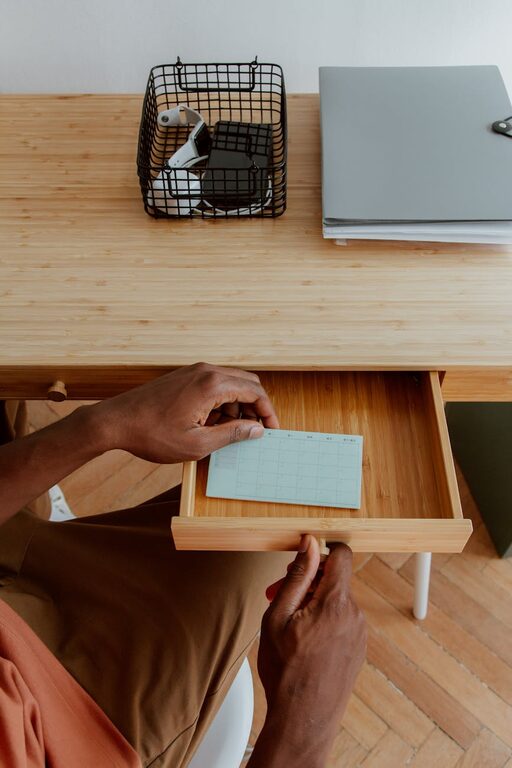
Designate a specific area in your home for handling paperwork. This could be a small desk, a shelf, or a container where you keep mail, bills, and documents to process.
What to Include in Your Paper Station:
– In/out trays or files for sorting
– Pen, paper clips, and sticky notes for quick notes
– A calendar or bill organizer to track due dates
Having a central spot makes it easier to stay on top of paper and prevents it from spreading all over your home.
Establish a Routine for Paper Management
Consistency is key to keeping paper clutter under control. Establish a regular routine for sorting, filing, and dealing with paper.
Sample Routine to Follow:
– Daily: Sort mail as it arrives into your bins
– Weekly: Pay bills, file important papers, shred confidential documents
– Monthly: Review paper storage, discard what’s no longer needed, archive older files
By dedicating small chunks of time regularly, paper won’t pile up and become overwhelming.
Cut Incoming Paper by Going Paperless
Many companies offer paperless billing and statements. Signing up for electronic versions of bills, bank statements, and other communications reduces the amount of paper arriving in your home.
How to Go Paperless:
– Contact service providers or log in to your online accounts to enable paperless delivery
– Use apps to manage your bills and payments digitally
– Opt out of physical junk mail when possible through services like the Direct Marketing Association
Reducing incoming paper is often the simplest way to prevent clutter from starting in the first place.
Use Smart Storage Solutions
For the papers you must keep, smart storage helps avoid cluttered piles:
– Use labeled folders or binders to organize documents by category (taxes, insurance, receipts)
– Store files in a filing cabinet, box, or drawer to keep papers out of sight
– Rotate stored papers routinely to discard what’s no longer needed
Clear labels and a dedicated storage spot make it easier to file and find documents.
Involve the Household
Reducing paper clutter is easier when everyone in your home pitches in.
– Teach kids to sort school papers and recycle what isn’t important
– Encourage family members to manage their own mail and papers
– Set up a family “paper rules” system, such as no leaving paper piles on counters
Sharing responsibility keeps the clutter in check and promotes better habits.
—
Reducing household paper clutter doesn’t have to be complicated. With consistent sorting, digitizing, and organizing, you can keep your home paper-free and peaceful. Start small today by clearing your mail pile and creating a system that works for your lifestyle. Before long, you’ll enjoy a tidier, more manageable space.